
Helping Your Child Set and Reach Academic Goals
Every child has the ability to grow, learn, and achieve meaningful things in school, but knowing where to start can sometimes feel overwhelming for both children and parents. Academic goals give students milestones to work toward while helping them build confidence, responsibility, and important habits that can support them throughout their education.
Whether your child wants to improve a particular subject, develop better study habits, or simply feel more confident in the classroom, parents can play an important role in helping turn those goals into achievable steps.
Start With Your Child’s Interests and Needs
Before setting an academic goal, take time to talk with your child about how they feel about school. What subjects do they enjoy? What areas feel challenging? Is there something they would like to improve?
Starting with your child’s perspective can make goals feel more meaningful. Instead of simply telling your child what they need to improve, involve them in the process. When children have a voice in setting their goals, they are more likely to feel responsible for working toward them.
Set Small, Specific Academic Goals
Big goals can feel intimidating, especially when a child doesn’t know how to reach them. Breaking a larger goal into smaller steps can make the process much more manageable.
For example, instead of setting a goal to “get better at math,” try creating a more specific goal such as:
- Practice multiplication facts for 10 minutes each day.
- Complete homework before playing video games or watching television.
- Read for 20 minutes each evening.
- Ask the teacher for help when a concept is difficult.
- Review notes before an upcoming test.
Small, consistent actions can eventually lead to significant academic growth.
Make Academic Goals Realistic and Measurable
An effective academic goal should give your child a clear idea of what success looks like. It’s important to set goals that are specific, measurable, and appropriate for your child’s age and current abilities.
For example, “I want to improve my reading” is a good starting point, but “I will read for 20 minutes at least four nights each week” gives your child something specific to work toward. Remember that goals do not need to be perfect. They can be adjusted as your child learns more about what works for them.
Create a Routine That Supports Success
Once a goal has been established, help your child create a routine that makes working toward it part of everyday life. A consistent homework area, designated study time, and organized school supplies can help children stay focused and prepared.
Parents can also help by checking in regularly. Ask questions such as, “How is your goal going?” or “What part has been easiest or most difficult?” These conversations allow you to provide encouragement without making your child feel pressured.
Celebrate Progress, Not Just Results
Academic growth does not always happen overnight. Your child may work hard and still struggle with a particular concept or assignment. That does not mean the goal has failed.
Celebrate progress, not perfection. Recognizing progress can help children develop a growth mindset and understand that mistakes and challenges are a normal part of learning. A simple “I’m proud of how hard you worked on that” can go a long way toward building confidence.
Work Together With Your Child’s School
Parents do not have to navigate academic goals alone. Teachers and schools can provide valuable insight into a child’s strengths, areas for growth, and learning needs.
Communication between home and school can also help everyone stay on the same page. When parents and educators work together, children receive consistent encouragement and support both inside and outside the classroom.
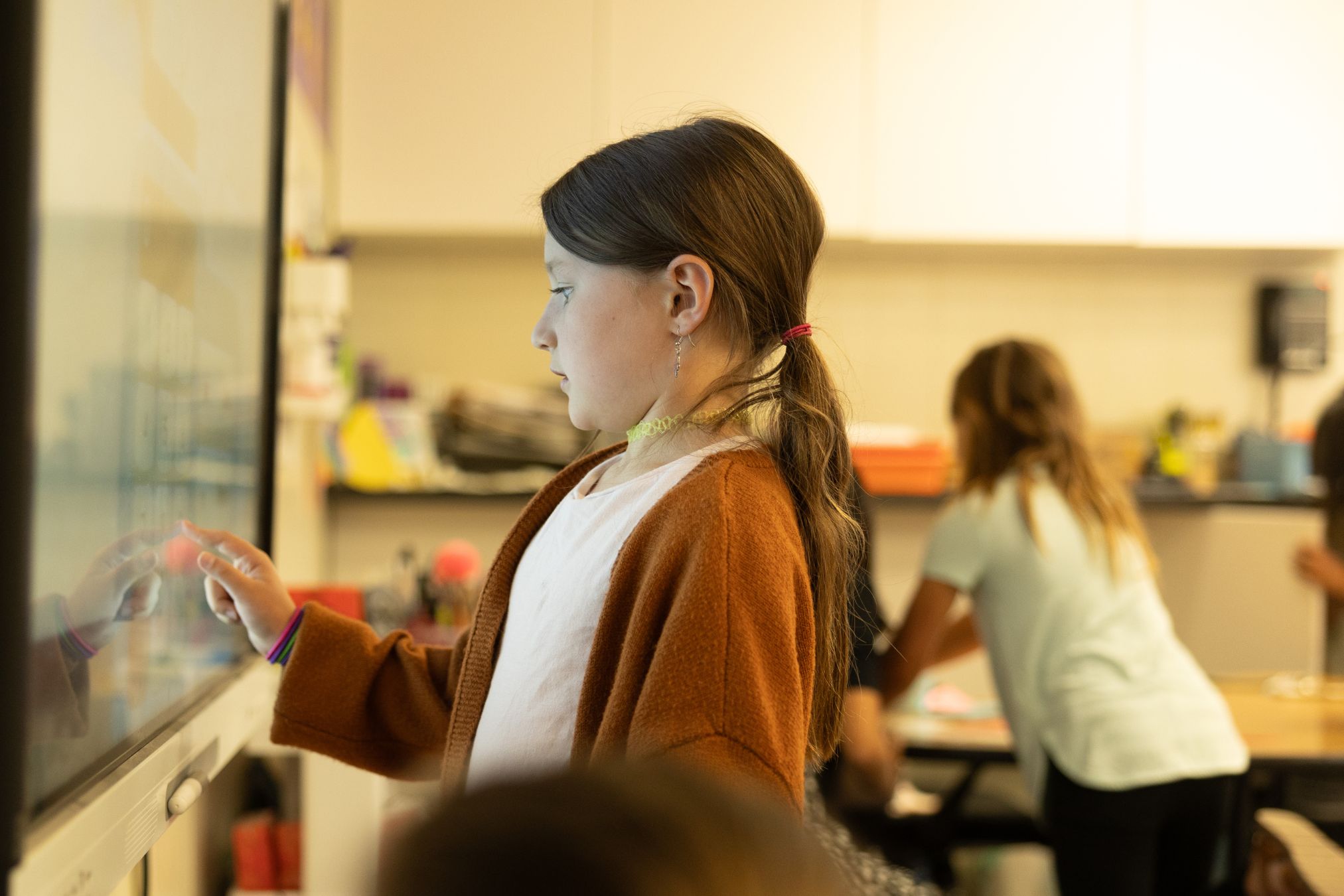
Reaching Academic Goals at Sierra Nevada Academy Charter School
Sierra Nevada Academy Charter School uses specialized curriculum and tools that help students have clear goals and plan to reach them. That’s why SNACS uses Personalized Learning Plans (PLPs) and the PLAY™ Approach (Promoting Learning and Accountability in Youth) to help students identify their academic goals and take an active role in their learning. Click on the PLAY™ approach above to learn more about how it works!
PLPs give students an opportunity to look at their individual strengths, recognize areas where they can grow, and set meaningful goals based on their needs. Rather than taking a one-size-fits-all approach, Personalized Learning Plans help make learning more individualized and give students a clearer path toward academic success.
Parents and students work with teachers to identify achievable goals and the steps needed to reach them. Their goals and plans are revisited and adjusted, and student progress is acknowledged. This helps students understand that academic growth is an ongoing process and that setbacks are opportunities to learn and improve.
For families, a Personalized Learning Plan also provides a valuable connection between home and school. Parents can better understand what their child is working toward and encourage those goals at home. By working together, students, families, and teachers create a supportive team focused on helping each child reach their full potential.
This individualized approach reflects the importance of helping children become active participants in their own education—a skill that can benefit them not only in the classroom, but throughout their academic journey.
“SNACS accelerates academic growth and student success for all learners through rigorous, standards-aligned personalized instruction grounded in PLAY, student choice, and exploration within a small school community”
Keep the Focus on Growth
Academic goals should not be about creating pressure or expecting perfection. They should help children recognize their strengths, identify areas where they can improve, and understand that progress takes time.
By helping your child set realistic goals, create healthy routines, celebrate progress, and communicate with their teachers, you can give them tools that extend far beyond a single school year. More importantly, you can help your child learn that success is not simply about reaching a final destination—it is about having the confidence and determination to keep learning along the way.