
What Parents Need to Know About Grade-Level Transitions: Helping Your Child Thrive Every Step of the Way
When the school year comes to a close, many families begin thinking about what comes next. Whether your child is moving from kindergarten to first grade, elementary to middle school, or simply advancing to the next grade level, each transition brings exciting opportunities—and new challenges. With encouragement, preparation, and a positive mindset, parents can help make each transition a successful one.
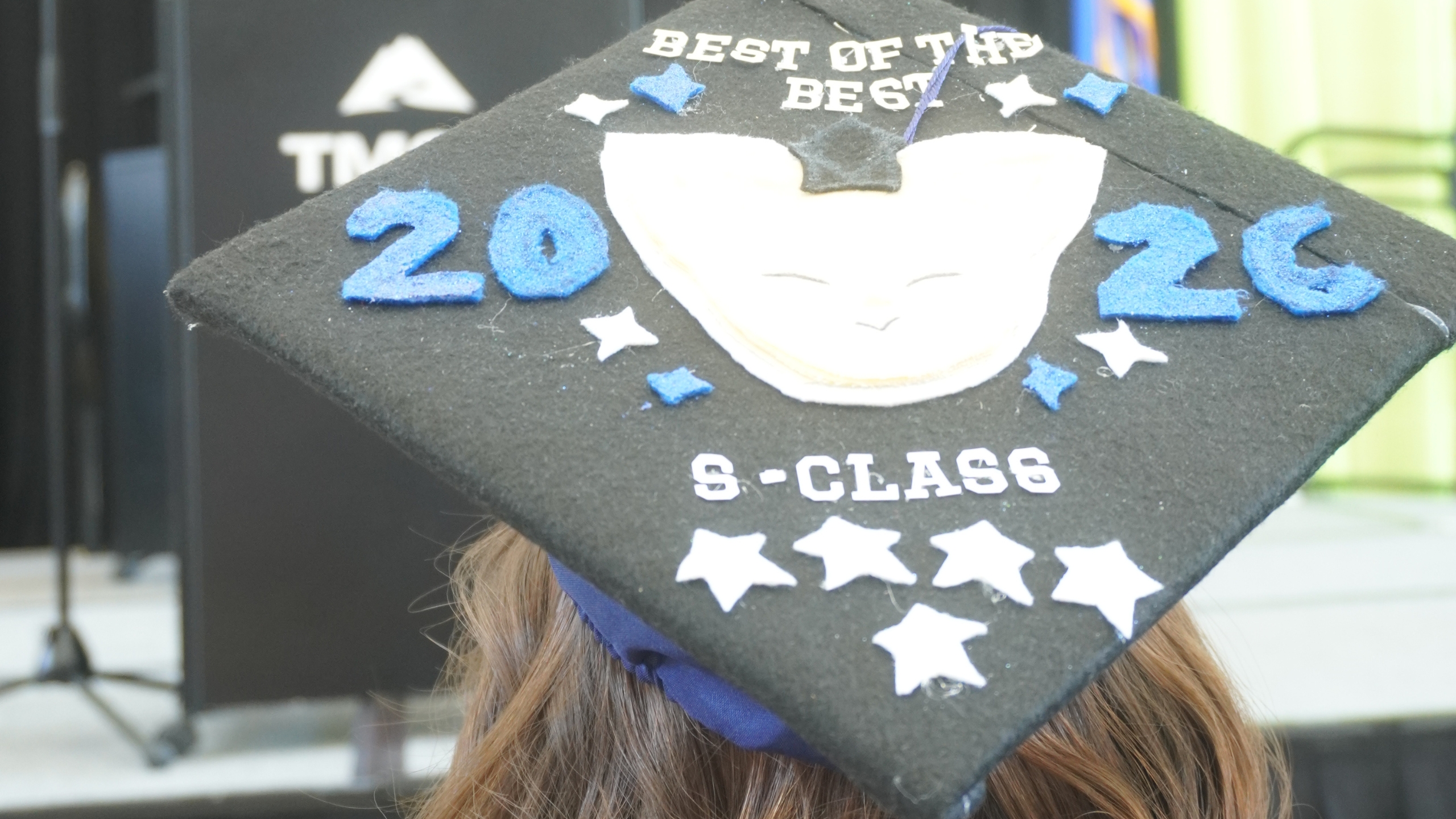
Every New Grade-Level Transition Brings New Growth
Each school year is designed to build upon the one before it. Students will encounter new academic expectations, greater independence, and opportunities to develop socially and emotionally. While some children eagerly embrace change, others may feel nervous about a new teacher, different classmates, or increased responsibilities. These feelings are completely normal. One of the best things parents can do is acknowledge those emotions while emphasizing that growth often comes from trying new things.
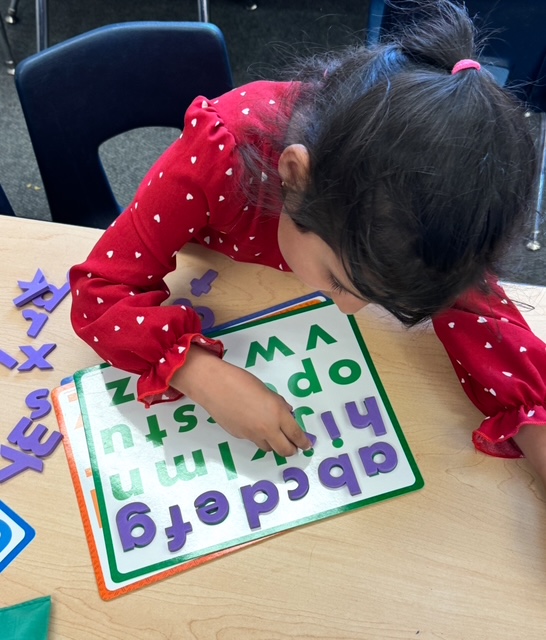
Preparing Your Child for Success
A smooth transition begins before the first day of school. Here are a few ways families can help:
- Talk positively about the upcoming school year.
- Encourage your child to ask questions about what to expect.
- Maintain reading and learning activities over the summer.
- Re-establish bedtime and morning routines before school begins.
- Help your child practice organizational skills and personal responsibility appropriate for their age.
Small preparations can make a big difference in helping children feel confident and ready.
Academic Expectations Will Grow
As students advance through each grade, learning becomes more complex. They will be expected to think critically, solve problems independently, and apply knowledge in new ways. Parents don’t need to know everything. Instead, focus on fostering a home environment that encourages curiosity, learning, and growth.
You can support your child by reading together regularly, asking about what they learned each day, celebrating effort rather than just grades, and communicating with teachers when questions arise. Remember, progress happens over time. Every child learns at their own pace.
Social and Emotional Growth Matters Too
School isn’t only about academics. Each grade level also brings important opportunities for students to develop friendships, build confidence, strengthen communication skills, and learn resilience. Parents can support this growth by encouraging children to solve small problems independently, practice kindness and empathy, learn from mistakes, and speak up when they need help. These life skills help students become successful learners and compassionate members of the school community.
Important Milestones Throughout K–8
While every child develops differently, here are some common transitions families may notice:
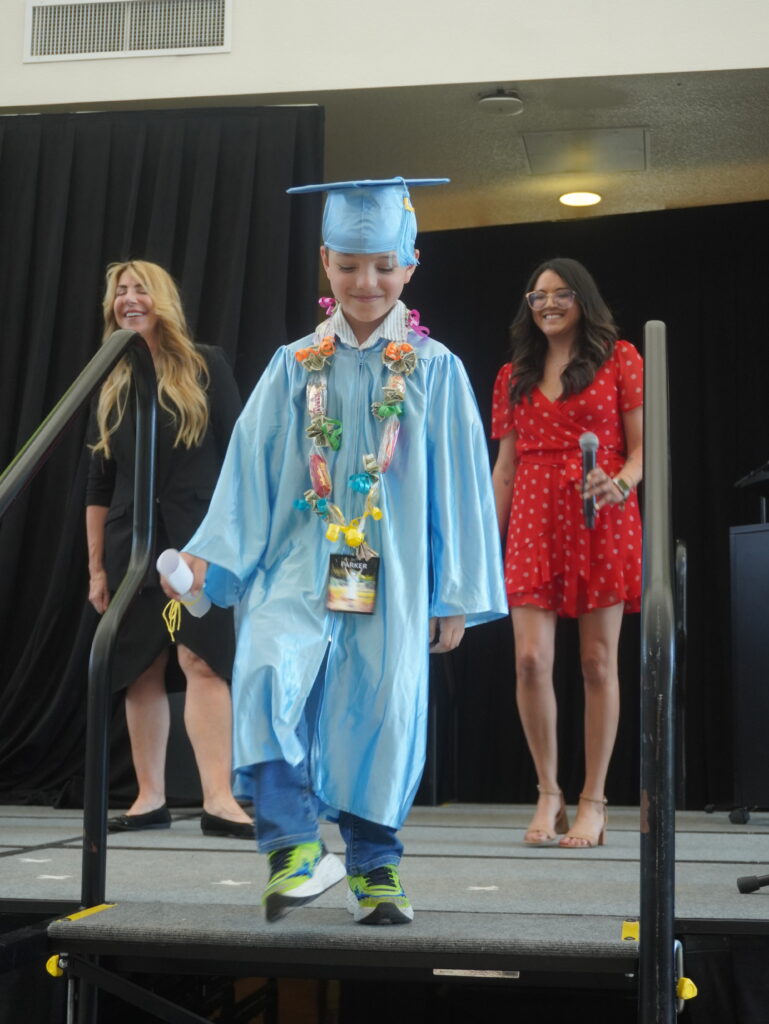
- Kindergarten to First Grade
-
-
- Children become more independent learners and begin strengthening foundational reading, writing, and math skills.
-
- Second Through Fifth Grade
-
-
- Students build confidence as they tackle more challenging academic concepts, collaborate with classmates, and develop stronger study habits.
-
- Transition to Middle School
-
-
- Moving into middle school is one of the biggest milestones during the K–8 journey.
- Students experience greater independence, changing class schedules, increased academic expectations, and new opportunities to explore interests through electives, leadership, athletics, and extracurricular activities.
- This transition is an excellent time for parents to encourage organization, responsibility, and open communication.
-
- Preparing for High School
-
- By eighth grade, students are developing the academic habits, confidence, and character needed for success in high school and beyond.
- Strong study skills, self-advocacy, and perseverance become increasingly important as they prepare for the next chapter.
Looking Ahead
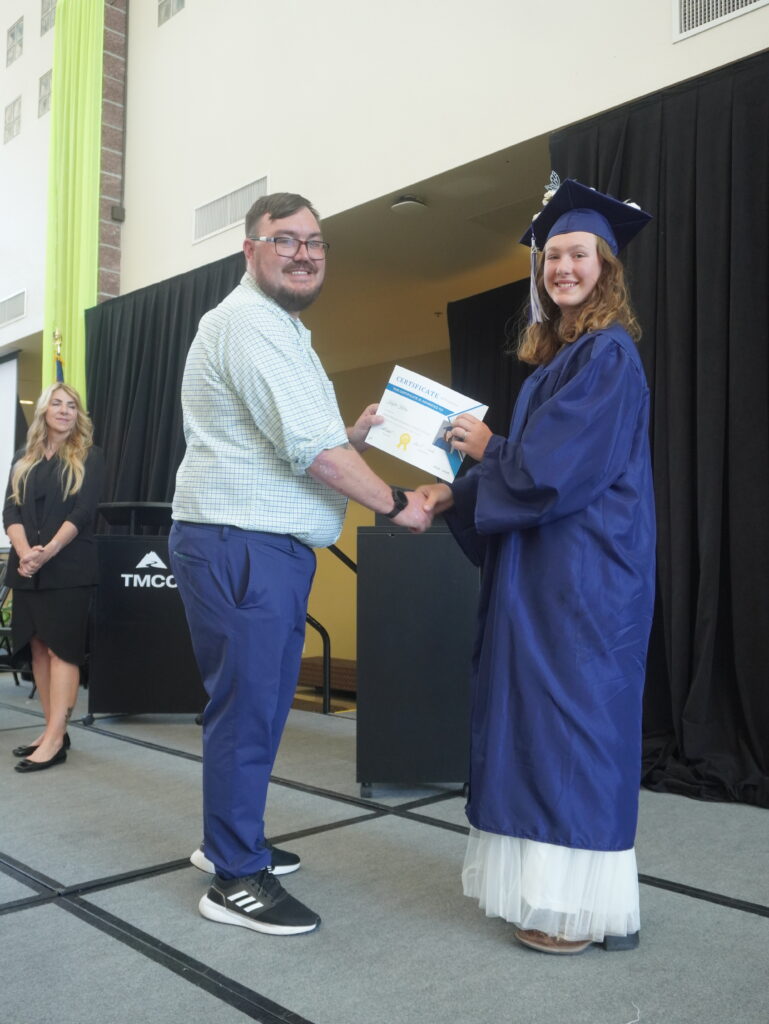
Every new grade is more than just moving to the next classroom—it’s another step in your child’s educational journey. Each transition brings opportunities to learn, grow, and discover new strengths. As parents, your encouragement, involvement, and belief in your child’s abilities make a lasting difference. Together, we can help every student approach each new school year with confidence, curiosity, and excitement for what lies ahead.
Continue your education at Sierra Nevada Academy Charter School
At SNACS, we are committed to helping every student thrive from kindergarten through eighth grade. Prioritizing expeditionary learning and offering a unique, proprietary, hands-on P.L.A.Y. model (Promoting Learning and Accountability in Youth), SNACS nurtures self-directed learners through choice. We believe that strong partnerships between families and educators create the foundation for student achievement, and we’re proud to support every child through each stage of their educational journey.
Located 10 miles north of Reno, SNACS brings the small school experience back to the neighborhood. Education, with a choice! Want to see what this looks like in action? Explore how SNACS approaches learning! Ready to learn more? Discover how SNACS helps students succeed academically, socially, and emotionally by scheduling a tour or contacting our enrollment team today. We’re enrolling for Fall 2026-2027.

Partnering With Your School
One of the greatest advantages of attending a charter school is the strong partnership between families and educators. Staying involved in your child’s education helps create consistency between home and school.
Parents can stay engaged by:
- Attending school events and conferences.
- Reading school communications.
- Volunteering when possible.
- Maintaining open communication with teachers and staff.
- Celebrating accomplishments both big and small.
When families and schools work together, students are more likely to feel supported, confident, and motivated.
Frequently Asked Questions
How can I help my child in their grade-level transitions?
Maintain routines, encourage reading, talk positively about the upcoming school year, and communicate regularly with your child’s teacher.
What should parents expect when their child moves to a new grade?
Students will experience new academic expectations, increased independence, and opportunities for social and emotional growth.
How can I prepare my child for middle school?
Help your child develop organization, time management, study habits, and confidence while encouraging open communication about any concerns.
Why is parent involvement important in a charter school?
Active family involvement helps improve student confidence, academic success, and communication between home and school.
How can families support student success throughout K–8?
Encourage consistent attendance, daily reading, healthy routines, positive study habits, and regular communication with teachers to help students succeed at every grade level and during each grade-level transition.
Learn More About SNACS
Interested in learning more about Sierra Nevada Academy Charter School?
Schedule a Tour
Visit SNACS and learn more about our school and programs.
Explore Enrollment
Learn more about enrollment and how your child can become part of the SNACS community.
Stay Connected
Join the SNACS newsletter to receive school news, events, and updates.
[Schedule a Tour] | [Learn About Enrollment] | [Join Our Newsletter]